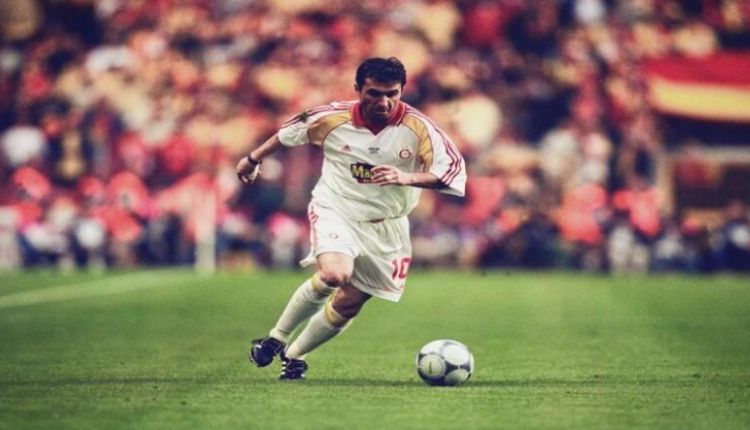
Gheorghe Hagi remains one of the most compelling figures in world football, and his name still echoes through modern playmaking discussions. His influence is easy to notice when watching matches on Xoilac, where the blend of skill and creativity often reminds viewers of his unique approach.
Early influences that shaped Hagi’s style
The early years of Hagi offer a clear view of how a young midfielder developed uncommon balance and control. His growth aligned with a period when Romanian football relied heavily on bold individual expression.
The Romanian environment molded Hagi into a football icon
Growing up around Romanian football culture
Hagi trained on uneven pitches in Constanta. Those humble settings forced him to use soft touches and rapid decisions. Many teammates from his youth recall how he often stayed behind after practice to repeat the same dribbles with quiet focus.
The first years in professional competition
Stepping into the Romanian league at a young age pushed Hagi to adapt quickly. Opponents targeted him because he was small and highly technical, so he relied on quick vision rather than strength. A match against Universitatea Craiova in his debut season showed this clearly when he delivered a long-range assist under pressure.
See more: https://xoilaczhzz.tv/lich-thi-dau
Signs of a creative leader on the pitch
Even before his peak, he took responsibility in tense moments. In one cup match, his team lost momentum, yet he demanded the ball repeatedly. That attitude signaled a future leader who understood rhythm and tempo better than many senior players.
Peak years that defined his European reputation
Hagi’s rise across major European clubs shaped the identity that fans still regard with respect. His game evolved through each phase, and his confidence became a trademark across different leagues.
Short connecting paragraph
Each club he joined pushed him into new tactical roles. Those adjustments helped him refine both flair and discipline.
Tactical freedom at Steaua Bucharest
At Steaua, his talent flourished under a system built on movement and quick passing. Coaches trusted him to link midfield and attack with full freedom. In the European Cup run, his winning goal against Slovan Bratislava highlighted his instinct for striking from distance without hesitation.
Leadership and technique at Real Madrid
His spell at Madrid exposed him to faster transitions and constant physical duels. Hagi responded by slowing the game with tight touches, creating pockets of time where none seemed to exist. One memorable moment came in a derby where he curled a shot inches over the bar after dribbling through three defenders.
Reinvention and brilliance at Barcelona
Barcelona offered a different challenge as he met a system that valued positional intelligence. He adapted by focusing more on combination play. His chipped goal against Celta Vigo proved how effortlessly he could blend technical ability with calm execution.
The Galatasaray chapter and continental success
His time in Turkey pushed him into legendary status. Galatasaray supporters still recall the UEFA Cup journey where Hagi acted as a calm guide during chaotic matches. His assist in the semifinal against Leeds United stands as proof of how he controlled stressful moments.
Enduring impact felt by fans and young players today
Hagi’s legacy continues through the impression he left on global football culture. Modern creators often use movements that mirror his approach to spacing and timing.
A legend whose legacy enriches football worldwide
Short connecting paragraph
This influence spreads across training academies, analytical discussions, and even livestream communities.
Trademark skills seen in modern playmakers
Young midfielders practice the same first touch he perfected. Analysts often compare his style with players like Luka Modric when explaining how to receive the ball under pressure. In academy drills, coaches still show clips of Hagi turning past markers with a simple shoulder drop.
Football academies carrying his philosophy
The Gheorghe Hagi Academy in Romania carries his ideas directly into youth development. Coaches emphasize confidence on the ball and bravery in tight spaces. Many graduates recall how trainers repeated a simple message from Hagi: control the pace of the match and the match will follow you.
Conclusion
Gheorghe Hagi’s journey blends technique, leadership and adaptation across several eras of football, and his influence is visible in many parts of the modern game. His story continues to inspire young talents and remains meaningful for anyone who follows playmaking with genuine admiration.
